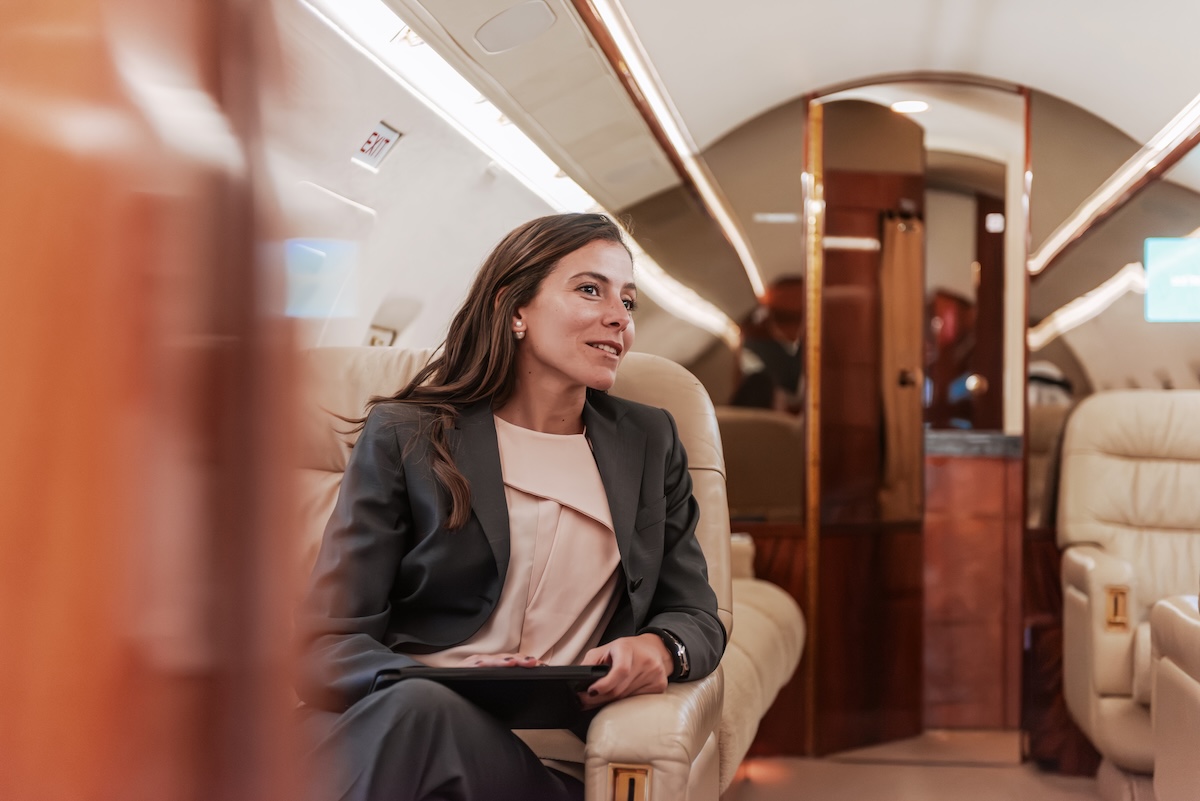
Whether it’s for a family holiday, an important business meeting, or travelling to an event where time matters just as much as the destination, private aviation can seem unfamiliar if you’ve only ever flown commercially.It’s easy to assume the process is complicated or reserved for seasoned travellers. However, with the right information, the process is simple and transparent, and you only need to know who to ask.
Here, Multiflight explains what you can expect when chartering a private jet for the first time.
How to charter a private jet
1. Identify what you need
Before speaking with a charter provider, it helps to spend a few moments thinking about your trip as a whole. Your destination is naturally the starting point, but there are several other considerations that will influence which aircraft is best suited to your journey.
Unlike commercial airlines, private aviation is planned around your requirements, meaning even small details can help create a more efficient itinerary.
For example, if you’re travelling to several destinations in a single week, a different aircraft may be recommended than if you’re making a simple return journey. Likewise, a family travelling with skis requires different cabin and luggage capacity compared with a corporate team attending meetings across Europe.
Consider:
- Where would you like to depart from?
- Are your travel dates fixed or flexible?
- How many people will be travelling?
- Will everyone be returning together?
- Are you carrying significant luggage, sporting equipment or pets?
2. Do your research
A reputable charter company will guide you through every available option and recommend an aircraft based entirely on your itinerary. However, having a general understanding of how private jet charter works can help you ask the right questions and make informed decisions.
Familiarising yourself with how private terminals (known as Fixed Base Operators or FBOs) operate can remove much of the uncertainty around the experience.
If this is your first charter, you may also find our guide to 10 Questions First Time Charter Clients Ask helpful, which answers many of the questions people naturally have before booking their first flight.
3. Contacting aviation specialists
Once you’ve decided you’re ready to travel, the next step is contacting a private charter provider.
Your charter specialist will typically ask for:
- Your departure airport
- Your destination
- Preferred travel dates and times
- The number of passengers
- Whether you require a return journey
- Any special requests or additional requirements
Depending on your plans, they may also ask about luggage, onboard catering preferences, ground transport or onward helicopter transfers. From there, they’ll recommend one or more aircraft suitable for your journey, explaining why each option has been selected.
It’s a collaborative process, and you’re never expected to know all the answers from the outset.
4. Booking and paying
Once you’ve chosen the aircraft that best suits your journey, your charter provider will prepare your booking.
You’ll receive confirmation of your itinerary, along with details including departure times, passenger information and any additional services you’ve requested.
Payment arrangements are confirmed at this stage, giving you complete clarity before you travel. Unlike booking a commercial airline ticket, your itinerary remains centred around your schedule wherever operationally possible. Should your plans change, your charter provider will always discuss the available options and accommodate amendments wherever they can.
By this stage, much of the planning has already been taken care of, allowing you to focus solely on preparing for your trip rather than the logistics behind it.
5. On the day
By the time your departure day arrives, most of the planning has already been taken care of. One of the biggest differences between private and commercial aviation is how straightforward the airport experience becomes.
While every airport operates slightly differently, your journey will usually follow these simple steps.
- Arrive at the private terminal
Rather than heading to the main departures building, you’ll make your way to a dedicated private aviation terminal, often known as a Fixed Base Operator (FBO). Your charter specialist will provide the address and arrival instructions well in advance.
Unlike commercial flights, there’s no need to arrive hours before departure. In most cases, arriving around 20 to 30 minutes before your scheduled take off is all that’s required.
- Meet your charter representative
On arrival, you’ll be welcomed by a member of the ground handling team, who will already be expecting you. They’ll assist with your luggage, confirm your passenger details and guide you through the short pre-departure process.
If you’ve arranged additional services, such as chauffeur transfers or onboard catering, these will already have been coordinated before you arrive.
- Security and identification checks
Private aviation still follows strict security procedures, but the process is significantly quicker than at a commercial airport.
You’ll usually be asked to present your passport, and your luggage may be screened before boarding. The exact procedures vary depending on the airport and destination, but they’re designed to be completed efficiently without unnecessary waiting.
- Relax before boarding
Many private terminals offer comfortable lounges where you can enjoy refreshments or catch up on work while the aircraft is prepared. As boarding time approaches, there are no gate announcements or queues to join; a member of the team will simply let you know when your aircraft is ready.
- Board your aircraft
When everything is in place, you’ll be escorted directly to the aircraft, often just a short walk or a quick drive from the lounge.
Your luggage will already have been loaded, and the flight crew will be waiting to welcome you onboard.
After a brief safety briefing, you’ll be free to settle into the cabin, whether that’s preparing for a meeting, relaxing with a coffee or simply enjoying the journey ahead.
- Departure
Your aircraft will depart according to your agreed schedule.
Without lengthy boarding procedures or waiting for dozens of other passengers, the turnaround from arriving at the terminal to being airborne is remarkably quick. From start to finish, the process is designed to be efficient, discreet and entirely centred around your journey.
Things to know before you travel
Once your booking has been confirmed, there are just a few practical details to consider before the day of your flight. Unlike commercial travel, many aspects of private aviation are tailored specifically to your journey, so understanding what to expect can help you feel fully prepared.
Do you need a passport?
If you’re travelling internationally, you’ll need a valid passport just as you would on a commercial flight. Depending on your destination, visas or other entry requirements may also apply.
For domestic flights within the UK, photographic identification is often sufficient, although your charter specialist will confirm exactly what documentation you’ll need before you travel.
How much luggage can you bring?
Luggage allowances vary depending on the aircraft you’ve chartered. While private jets don’t usually impose the same baggage restrictions as commercial airlines, every aircraft has weight and storage limitations.
If you’re travelling with larger items such as golf clubs, skis, bicycles or musical instruments, it’s worth mentioning this when you book. Your charter specialist can then recommend an aircraft with the appropriate luggage capacity, ensuring everything travels comfortably alongside you.
Can you travel with pets?
In many cases, yes.
One of the advantages of private aviation is the flexibility it offers for those travelling with pets. Depending on your destination and the relevant import regulations, pets can often travel in the cabin with you rather than separately in the aircraft hold.
If you’re planning to bring your pet, simply let your charter provider know during the booking process so the necessary arrangements can be made well in advance.
Can you request food and drinks on board?
Absolutely, although it is worth noting that the capacity for food and drink on board can depend on the size and model of aircraft you are travelling aboard.
Can Your Flight Schedule Change?
One of the greatest advantages of private jet travel is flexibility.
Where operationally possible, departure times can often be adjusted if your plans change. While availability and crew regulations will always need to be considered, private aviation offers significantly more flexibility than scheduled commercial flights.
If your itinerary changes, your charter specialist will contact you as early as possible to advise on the options available.
Frequently asked questions
Do I need to own an aircraft to charter one?
Not at all.
Chartering simply means hiring an aircraft for a specific journey. Ownership isn’t required, making private aviation accessible without the responsibilities and ongoing costs associated with owning an aircraft.
Do I need connections or membership to charter a private jet?
No.
This is one of the biggest misconceptions surrounding private aviation.
You don’t need to own an aircraft, belong to a membership programme or have existing industry connections to charter a private jet. If you have a journey in mind, an experienced charter provider can arrange every aspect of your flight, guiding you through the process from your initial enquiry to arrival at your destination.
How much notice do you need to charter a private jet?
Private jet charters can often be arranged at relatively short notice, sometimes within a matter of hours depending on aircraft availability and your destination. However, booking several days or weeks in advance provides greater aircraft choice and allows more time to tailor every aspect of your journey.
How many passengers can travel on a private jet?
The number of passengers depends on the aircraft you choose.
Smaller light jets typically accommodate between four and eight passengers, while larger aircraft can comfortably carry 12 passengers or more. If you’re travelling with a larger group, your charter specialist can recommend an aircraft that offers the appropriate seating and luggage capacity.
Can I fly with my family on a private jet?
Absolutely. Private jet charter is an option for family holidays, allowing everyone to travel together on a schedule that suits you. Travelling privately also makes it easier to accommodate children, additional luggage, sports equipment and, in many cases, family pets.
Can I change my itinerary after booking?
If your plans change, your charter provider will always do their best to accommodate amendments, subject to operational requirements, airport availability and crew regulations.
Is it difficult to charter a private jet for the first time?
Not at all. If it’s your first time chartering an aircraft, your charter specialist will guide you through every stage of the process, from choosing the right aircraft to confirming your itinerary and explaining what to expect on the day of your flight. Most first time clients are surprised by how straightforward the experience is.
Flying privately for the first time can feel like a significant decision, but with the right guidance, it does not need to be complicated or intimidating. Understanding how private charter works, what to expect at the airport and onboard, and how decisions are made behind the scenes can help you approach your first flight with confidence.
At Multiflight, charter is supported by decades of hands-on aviation experience across private jet and helicopter charter, aircraft management, engineering and executive handling. This integrated expertise means clients benefit from clear advice, transparent processes and carefully managed operations at every stage of their journey.
